We're Rooting for the Crash Landing: How Influencer Failure Became Our Favorite Content
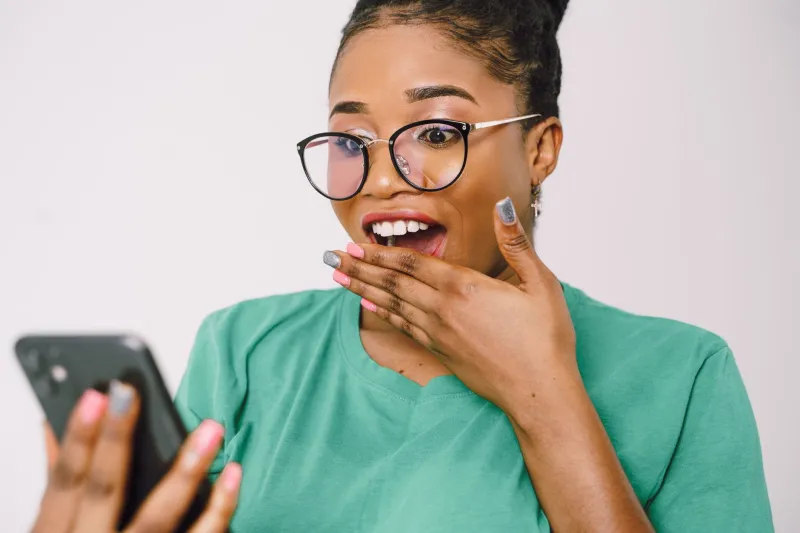
There's a specific kind of satisfaction that rolls through the comments when an influencer's brand deal goes sideways, their apology video lands like a wet paper bag, or their "authentic" lifestyle gets exposed as a green-screen fantasy. It's not pretty. But it is incredibly popular.
We used to build these people up — follow their fitness journeys, buy their merch, celebrate their collabs like they were our own wins. Now? The most-watched moments are the ones where everything goes wrong. The failed product launches. The cringe press tours. The "I've been going through a lot" videos that arrive six months too late. We're not just watching influencers anymore. We're watching them fall.
And we cannot look away.
The Metrics Don't Lie (And Neither Do We)
Here's what the data has been quietly screaming for a while: failure content outperforms success content across almost every major platform. A creator hitting a million subscribers might get a polite round of likes. That same creator getting caught faking a charity donation? The engagement breaks the algorithm. Comments, shares, stitches, duets — the whole ecosystem lights up.
It's not a coincidence. Platforms are literally designed to reward emotional intensity, and nothing triggers emotional intensity quite like watching someone we've invested in betray that investment. Anger, disbelief, schadenfreude — these are high-octane feelings, and high-octane feelings equal time-on-app.
Brands have started noticing too. Influencer marketing teams now quietly track "controversy resilience" alongside reach and engagement rates. Because even bad press keeps an influencer's name circulating. Sometimes especially bad press.
The Parasocial Contract Got Complicated
Here's the thing about parasocial relationships — they were always a little lopsided. You know everything about someone who doesn't know you exist. You've watched them cry about their ex, tour their apartment, taste-test snacks at 2am. You've built a whole mental model of who they are.
So when they mess up? It feels personal. Not because it is, but because the relationship you built in your own head has stakes. Betrayal hits harder when you've been emotionally invested, even if that investment was entirely one-sided.
This is where the failure content loop gets genuinely interesting. We follow influencers hoping for connection. We feel cheated when the connection turns out to be transactional. And then — instead of logging off — we stay, because now we want to see how it plays out. The fall arc is narratively irresistible. It's the third act we didn't know we needed.
The Authenticity Trap
A huge part of what's driving this is the authenticity arms race of the last decade. Influencers built their entire value proposition on being "real" — more real than celebrities, more relatable than brands, more honest than traditional media. They invited us into their homes, their relationships, their therapy sessions.
But the more they sold us on authenticity, the harder they set themselves up to fail. Because nobody is that authentic. Everyone's curating something. And when the curation cracks — when the ring light gets knocked over and we see the mess behind it — the audience doesn't feel sympathy. They feel vindicated.
We knew it. That's the energy. We suspected the perfect morning routine was staged. We thought the "honest" skincare review was paid. The failure moment is proof. And proof is deeply satisfying.
The Gabbie Hanna Effect and Why We Keep Coming Back
Look at any major influencer implosion in recent memory and you'll see the same pattern play out. There's a triggering incident — a callout, a leaked DM, a disastrous live stream. Then comes the response, usually too defensive or too vague. Then the community fractures. Then the "real" fans dig in. Then the commentary channels feast.
Creators like Gabbie Hanna, Trisha Paytas, and James Charles have each gone through versions of this cycle — and here's the wild part — their view counts often spike during the chaos. New people discover them through the drama. Old followers return to watch the fallout. The algorithm serves the content to people who've never heard of them before, because conflict is the most shareable currency online.
Failure, in other words, is a growth strategy. Not an intentional one, usually. But the outcome is the same.
What This Says About Us (It's Not Great, But It's Honest)
Let's not pretend this is just about influencers being fake. There's something older and more human happening here. Schadenfreude — the pleasure derived from someone else's misfortune — is a documented psychological phenomenon. It's strongest when we feel that person had it too good, that their success was unearned, or that they somehow wronged us.
Influencers hit all three triggers. They monetized relatability while living lives most of us can't afford. They sold us products that didn't work. They performed friendship while optimizing for revenue. So when they stumble, there's a collective release — a pressure valve popping on months or years of ambient resentment we didn't even fully realize we were carrying.
It's not our best quality. But it is an honest one.
The New Loyalty Is Watching the Whole Arc
Something weird is happening on the other side of all this, though. Some audiences are sticking around past the crash. Not because they forgave the influencer, but because they got invested in what comes next. The redemption attempt. The rebrand. The "I've done a lot of work on myself" era.
In a strange way, failure has become the most reliable path to long-term audience retention. Success is a plateau. Failure is a story — and stories have sequels.
Pheehu has been watching this shift unfold across every corner of the internet, and what strikes us most is how completely the power dynamic has flipped. Influencers used to control the narrative. Now the audience does. We decide what's forgivable, what's canceled, what gets a second chapter. The follow button was always ours to press. Turns out, so is everything else.
The parasocial pivot isn't about cruelty, exactly. It's about finally feeling like we have some say in a relationship that was always designed to make us feel like we didn't.