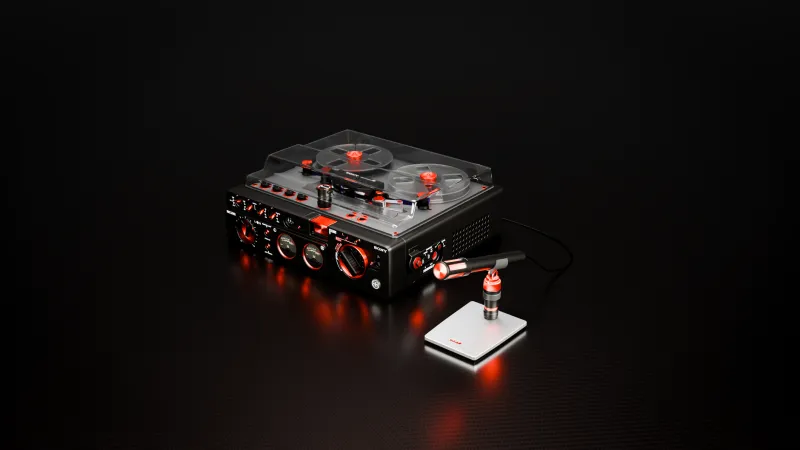
Let's be honest about something that nobody in the music industry wants to say out loud: the version of the album you weren't supposed to hear is often the best one.
Not always. But often enough that we need to actually talk about it.
Every few months, a new wave of demos or studio sessions surfaces online and the internet loses its mind. Sometimes it's a beloved artist's early recordings. Sometimes it's a scrapped album that never made it to shelves. Sometimes it's a voice memo someone's manager definitely did not authorize. And every single time, the fan response follows the same pattern: this is incredible, why didn't they just release this?
That question is worth sitting with. Because the answer says a lot about what we actually want from music — and what the industry has trained us to accept instead.
What Makes a Demo Feel Different
There's a technical explanation and an emotional one, and you need both to understand why raw recordings hit so hard.
Technically, demos and early studio sessions exist before the production layer gets piled on. Before the label A&R weighs in. Before the mixing engineer smooths out every rough edge. Before the mastering process squeezes the dynamic range into something that sounds good on a Bluetooth speaker in a Walgreens. What you're hearing is closer to the moment of creation — the actual thought, the actual feeling, before it got processed into a product.
Emotionally? That proximity to creation is everything. When you hear a legendary artist fumbling through a chord change, or laughing mid-take, or singing a lyric they'd later change, you're not just hearing music. You're witnessing something. It creates intimacy that a perfectly produced studio album structurally cannot replicate.
Think about the demos from artists like Elliot Smith, or the infamous SMiLE sessions from the Beach Boys, or the basement tapes that Bob Dylan and the Band recorded in Woodstock. These recordings became mythologized not despite their roughness but because of it. The imperfection is the information.
The Cult of the Lost Album
American music culture has a long, weird, beautiful obsession with music that almost existed. The "lost album" is practically its own genre at this point.
Frank Ocean's unreleased material gets treated like sacred texts. Kanye West's scrapped album iterations generate more conversation than most artists' actual releases. Prince's vault — which reportedly contained thousands of unreleased recordings — became a near-mythological concept long before his death made it a legal battleground. Dr. Dre's Detox spent so long in development that its non-existence became more culturally significant than most albums that actually came out.
This obsession isn't irrational. It's a response to something real. The lost album is always perfect because it can never be tested against reality. It exists in the imagination, where it contains everything you hoped for and none of the compromises. But when actual unreleased material does surface? It often confirms that the early instinct was right. The first version was better.
There are documented cases. The original version of Smile that Brian Wilson finally released in 2004 was widely considered superior to anything the Beach Boys had officially put out in decades. Early demos for albums that went on to be overproduced commercial disappointments frequently reveal that the core songwriting was there — the problem was everything added on top of it.
What Fans Are Actually Saying
When listeners go wild for a leaked demo, they're not just reacting to novelty. They're making an argument about what music should be.
They're saying: we don't need the strings. We don't need the feature that the label insisted on. We don't need the radio edit that removes the weird bridge that made the song interesting. We need the thing you made when you were just making something.
This is a profound critique of the modern music production process, delivered through enthusiasm rather than formal complaint. Fans who obsess over unreleased material are essentially pushing back against the industrialization of artistic expression. They're saying that the pipeline from creative spark to commercial product destroys something essential in transit.
And artists know this. Many of them feel it too. There's a reason so many musicians talk about their favorite version of a song being the demo they recorded alone at 2am, before anyone else heard it. That version existed outside of expectation. It was just honest.
The Artist-Fan Relationship Gets Complicated
Here's where things get genuinely thorny. Because celebrating leaks isn't without its ethical complications.
Artists have real, legitimate reasons for not wanting unfinished work released. A demo might contain a lyric they changed because it was hurtful. A studio session might reveal a creative process that felt too vulnerable to share. The "unfinished" version might represent a period of struggle or instability that the artist has consciously moved past. Their right to control their own narrative matters.
But the cult of the leak also reveals a trust deficit. In an era where major label contracts can shelve an album indefinitely, where streaming economics make it nearly impossible for artists to survive without constant new content, where corporate interests routinely override creative decisions — fans have developed a kind of underground preservation instinct. They archive, they share, they keep alive the music that the industry would rather bury or delay indefinitely.
That impulse, even when it creates uncomfortable situations, comes from love. Messy, complicated, not-always-ethical love, but love nonetheless.
Is Perfection the Enemy?
The broader question that the leaked demo phenomenon raises is one that every creative person eventually has to answer: what are you actually optimizing for?
The music industry's answer has historically been: commercial viability, radio compatibility, playlist placement, brand safety. All of which require a certain kind of polish that, applied too aggressively, strips out the thing that made the music worth making in the first place.
The leaked demo suggests a different answer. Sometimes the version with the wrong note in the second verse is the right version. Sometimes the one where you can hear the room and feel the moment is worth more than the one that sounds perfect on every playback device.
Maybe the future looks like artists reclaiming that roughness intentionally — releasing the demo alongside the album, or scrapping the traditional rollout entirely in favor of something more honest. Some are already doing it. And every time they do, the fans respond like they've been given something real.
Because they have.