Sorry Not Sorry: How the Celebrity Apology Became Its Own Genre of Fiction
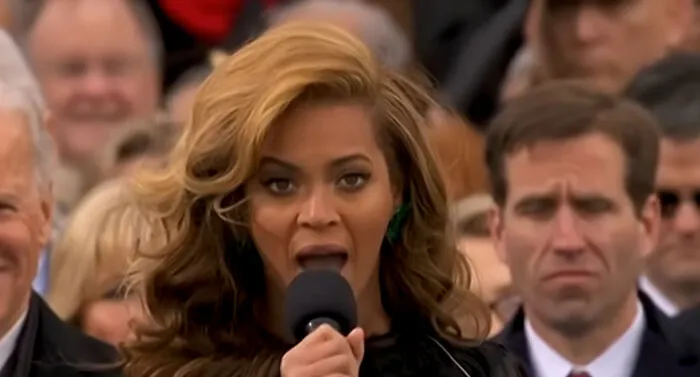
Photo: celebrity press conference microphones podium apology, via static.boredpanda.com
There's a moment in every celebrity apology video where the subject pauses. Just long enough. Long enough to suggest they're gathering themselves, fighting through real emotion, trying to find the words. It's a very specific pause. And if you've watched enough of these — and at this point, who hasn't — you start to recognize it the way you recognize a jump scare in a horror film. You know it's coming. You brace for it. And then you feel vaguely manipulated anyway.
Welcome to the Performative Apology Industrial Complex. Population: everyone with a ring light and something to lose.
The Assembly Line of Accountability
At some point between the early YouTube apology era and now, saying sorry stopped being a personal act and became a production category. There are PR firms that specialize in crisis communications. There are media coaches who train clients on eye contact, pacing, and which emotional register reads best on camera. There are strategic decisions made about whether to post at 11pm on a Friday (to let the news cycle absorb the blow) or Monday morning (to own the narrative before the week kicks off).
None of that is a secret anymore. The audience knows. And yet the machine keeps running, because apparently the performance of accountability — however transparent — still functions better than silence.
The template is almost embarrassingly predictable at this point. You've got the low-production-value aesthetic (iPhone camera, no makeup or minimal makeup, a deliberately unglamorous background). You've got the first-person ownership language that attorneys probably reviewed twelve times. You've got the pivot to growth, the mention of therapy, the vague nod toward doing better without specifying what better actually looks like. And then, critically, you've got the ask — whether it's explicit or implied — for another chance.
Why Authenticity Is the Biggest Special Effect
Here's the paradox at the center of all of this: the more effort that goes into appearing authentic, the less authentic the whole thing feels. And audiences have developed a genuinely sophisticated radar for this.
When a celebrity sits down in front of a camera with smudged eyeliner and a cracked voice, the immediate question on social media isn't are they okay? It's who coached them on the cracked voice? That's not cynicism for its own sake — that's pattern recognition. We've seen enough of these to understand that vulnerability, when it's deployed strategically, isn't really vulnerability. It's just another production value.
The comments section — which, as any culture writer will tell you, is where the real criticism lives — becomes a forensic lab. People timestamp suspicious pauses. They screenshot the moments where the emotional register shifts too cleanly. They cross-reference the apology's language with known PR crisis playbooks. It's crowdsourced media literacy in real time, and it's ruthless.
What's interesting is that this doesn't necessarily make the apology fail. Sometimes the most obviously calculated sorry still moves the needle. Fans who want to forgive will find a way to forgive. The performance gives them the cover they need to do it.
The Ones That Actually Land
Occasionally, something breaks through. An apology that feels genuinely off-script, genuinely uncomfortable, genuinely unresolved. And when it happens, the contrast is jarring — because you realize how accustomed you've gotten to the polished version.
The apologies that tend to land aren't the ones where everything is wrapped up neatly. They're the ones where the person seems genuinely uncertain about whether they deserve forgiveness, where they don't promise to be better because they don't know yet if they will be, where the ask is absent or buried. They're messy and incomplete and they don't give the audience what they came for.
Which is exactly why they work.
There's also a timing element that's hard to manufacture. The apologies that feel real often come late — after the news cycle has moved on, after there's no obvious strategic upside. When someone resurfaces months after a controversy and addresses it without a new project to promote, without a redemption arc being visibly constructed in real time, it reads differently. The absence of an obvious motive is its own form of credibility.
What We're Actually Watching For
Maybe the most honest thing to say about the celebrity apology as a cultural form is that we're not really watching to see if we believe them. We're watching to see how good the performance is. It's become its own entertainment genre — one with conventions and tropes and a built-in critical community.
And that shifts the moral weight of the whole thing in a strange direction. If the apology is a performance, then the audience isn't a jury — it's a crowd. We're not deliberating. We're reacting. We're rating. We're clipping the best moments for TikTok with captions like she really said that with her whole chest or the pause at 2:14 sent me.
The accountability, if it exists at all, happens somewhere else — in legal settlements, in behavioral changes that play out over years, in the quiet decisions made by collaborators and employers and friends. The camera moment is just the opening scene.
Which is maybe why the most radical thing a public figure can do after a controversy isn't a tearful video. It's nothing. No statement, no camera, no strategic silence that still functions as a statement. Just the actual, private, unglamorous work of figuring out what happened and what to do about it.
But that doesn't get any views. And in 2025, if it doesn't get views, did it even happen?
The sorry industrial complex will keep running because it serves everyone involved — the celebrities who need a path back, the PR firms who need clients, and the audiences who need content. We've all agreed, implicitly, to keep playing our parts.
We're just a lot less convinced by the performance than we used to be.