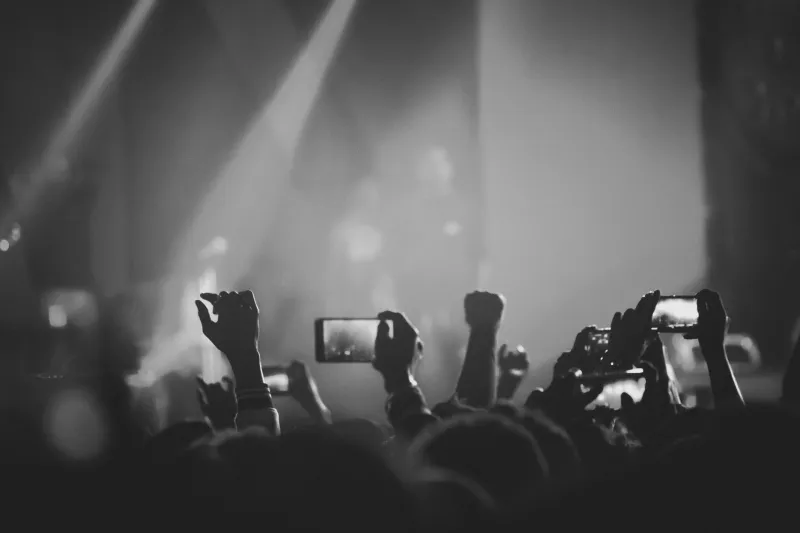
Something shifted when we weren't paying attention. It used to be that a celebrity scandal was a PR emergency — a thing to be buried, denied, or spun into oblivion by a team of very expensive handlers. Now? The scandal is the press tour. The meltdown is the merch drop. The chaos is the content strategy.
Welcome to the parasocial economy, where your favorite public figure's worst moments are also their most bankable ones.
When the Crisis Became the Product
Think about the last time a celebrity's personal implosion actually hurt them in any measurable, lasting way. It's getting harder to name one. What we keep seeing instead is a pattern: public figure does something messy or unhinged, the internet explodes, the discourse runs for two weeks, and then — almost magically — that person drops a Spotify exclusive, a Substack, a limited-edition collab, or a reality show greenlit specifically because of the drama.
The chaos isn't a detour from the brand. It's become the brand.
This isn't accidental. Audiences have been quietly trained to reward emotional exposure. We clicked on the leaked texts. We streamed the diss tracks. We watched the Instagram Lives where someone was clearly not okay. And every click was a signal — to the algorithm, to the management teams, to the celebrities themselves — that raw and ragged sells better than polished and curated ever did.
Authenticity or Crisis Management? (Yes.)
Here's the uncomfortable part: it's almost impossible to tell anymore where genuine vulnerability ends and calculated strategy begins. And that blurring isn't a bug — it's the whole point.
When a pop star posts a shaky, no-makeup video crying about a breakup, is she processing grief or feeding a content cycle that will culminate in a heartbreak album and a stadium tour? When a rapper tweets something unhinged at 2 a.m., is that a real person coming apart at the seams, or is it a very savvy attention grab timed perfectly before a project rollout?
The answer, increasingly, is both. And audiences don't actually want to know which one it is. The ambiguity is part of the appeal. We want to feel like we're watching something real, even if we suspect we're watching a performance. The emotional investment is the point, not the truth.
Celebrities and their teams have figured out that manufactured authenticity — authenticity with guardrails, authenticity that happens to align with a release schedule — is just as effective as the real thing. Maybe more so, because it's controllable.
The Redemption Arc as Revenue Stream
If the meltdown is Act One, the comeback is Act Two — and Act Two is where the real money lives.
The American celebrity redemption arc has always been a thing, but it used to require actual time and genuine public contrition. Now it's been compressed into a cycle so tight it barely qualifies as an arc. You can implode and rebrand in the same quarter. You can be canceled on a Tuesday and have a number-one single by Friday if the algorithm cooperates.
This acceleration has made the implosion-to-redemption pipeline a legitimate content format. Audiences are hooked on the narrative structure of it — the fall, the silence, the carefully staged return, the new era aesthetic. It hits the same psychological buttons as a prestige TV drama. We want to see who someone is at their lowest, and then we want to watch them claw back. We will pay for both parts of that story.
And celebrities — or at least the smart ones — have started treating their own lives like serialized content with seasonal arcs. Every messy chapter is a setup for a pivot. Every public breakdown is backstory for the next version of themselves they're about to sell us.
We're Not Just Watching — We're Funding It
Let's be real about our role in all of this. The parasocial economy doesn't function without the parasocial audience, and that's us.
We're not passive consumers of celebrity chaos. We're active participants. We share the screenshots. We argue about who was wrong in the group chat. We stream the response track on repeat to boost the numbers. We buy the merch that references the drama. We subscribe to the Patreon where they promise to be "more real" than they are anywhere else.
Every one of those actions is a financial transaction, even when it doesn't feel like one. Attention is currency in 2024, and we are spending it constantly on the spectacle of people we will never meet having problems we can only imagine.
There's something worth sitting with there. Not in a judgmental way — parasocial connection is genuinely human, and there's real comfort in feeling close to someone whose art or personality means something to you. But the system has learned to exploit that comfort. It has learned to manufacture the exact kind of mess that keeps us emotionally invested and financially engaged.
What Happens When the Chaos Runs Out?
The obvious question is: what's the ceiling on this? How many implosion-redemption cycles can one person sustain before the audience gets bored or burnt out? How many times can the same celebrity have a "raw, unfiltered" moment before it stops reading as raw and just reads as content?
Some public figures are already hitting that wall. There's a fatigue that sets in when everything feels like a play for engagement, when every vulnerable post is immediately followed by a merch link, when the chaos starts to feel less like a window into someone's real life and more like a very elaborate funnel.
The audiences who will matter most going forward are the ones developing a sharper eye for the difference — who can feel when something is genuine versus when they're being worked. That instinct, once it kicks in, is hard to turn off.
For now, though, the parasocial economy is booming. The mess is moving units. And somewhere right now, a publicist is reading a client's genuinely unhinged 3 a.m. post and thinking: okay, how do we monetize this?
The answer, almost certainly, is: very easily.