When the Breakup Becomes the Drop: How We Turned Artist Heartbreak Into Our Favorite Storyline
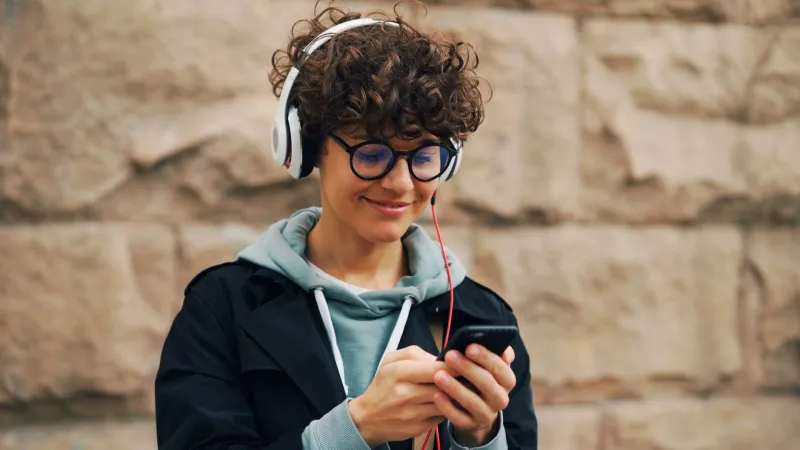
Let's be honest. You found out about the breakup before you found out about the new album. You processed it, talked about it in a group chat, maybe even made a playlist for it. And the wildest part? You've never been in the same room as either of them.
Welcome to the era of the parasocial breakup — where celebrity relationship drama has become its own genre of entertainment, complete with plot twists, devoted fan bases, and emotional investment that rivals anything Netflix is putting out right now.
The Relationship Is the Content
Something shifted in the last few years. It used to be that the music came first and the personal life was a bonus. Now, for a lot of artists, the relationship arc is the content. Fans aren't just following the discography — they're following the character. And that character has a love life, a villain, a redemption arc, and a breakup album waiting to happen.
Think about how the cultural conversation moves every time two artists in the same orbit split. Within hours, there are Reddit threads dissecting lyrics, TikTok videos mapping the timeline, and Spotify streams spiking on songs that suddenly feel like evidence. The breakup doesn't just fuel the next record — it fuels a whole ecosystem of fan-generated content that can dwarf the artist's own output.
This isn't accidental. Artists, their management teams, and the platforms they live on have all figured out that emotional proximity drives engagement. The more a fan feels like they know someone, the more invested they become in everything that person touches — including their romantic failures.
Psychology of the Stan: Why We Actually Care
Here's where it gets genuinely interesting. Psychologists have been studying parasocial relationships since the 1950s, when researchers noticed that TV viewers started treating news anchors like personal friends. But the dynamic has mutated into something far more intense in the social media age.
For Gen Z especially, the parasocial relationship isn't a passive experience. It's participatory. You're not just watching — you're theorizing, creating, debating, and building community around it. When an artist's relationship falls apart publicly, it becomes a collaborative storytelling event. Fans aren't observers; they're co-authors of the narrative.
There's also a safety element to it. Following someone else's heartbreak from a distance gives you all the emotional catharsis of a breakup without any of the actual risk. You get to feel the loss, process the grief, root for the comeback — and then close the app. It's emotional exercise without the injury.
And for a generation that grew up watching reality TV treat real people's lives as scripted drama, the line between person and character was always going to get blurry. When an artist posts a vague Instagram story at 2am, it hits different than a confessional booth moment on The Bachelor — but the psychological machinery processing it is surprisingly similar.
The Streaming Spike Doesn't Lie
If you need proof that this stuff is real, follow the data. Breakup announcements consistently generate measurable spikes in streaming numbers. Not just for sad songs — for everything. Fans go back through catalogs looking for clues, reinterpreting old lyrics through the new context, rewatching old interviews for signs they missed.
It's basically forensic fan behavior. And it's incredibly valuable to the music industry, even if nobody wants to admit that out loud. A high-profile split can revive songs that peaked two years ago. It can push a mid-era album back into the charts. It can make a B-side go viral because someone decided it was actually about this specific moment in the timeline.
Labels and artists have gotten savvy about this. The strategic vague post. The interview that confirms nothing but implies everything. The song title that drops before the song does, giving fans just enough to build a theory on. The breakup, whether real or managed for public consumption, has become a promotional tool — and we participate in it willingly.
When the Character Outgrows the Catalog
Here's the part that gets complicated. When a fan's emotional investment in an artist's personal life starts to outpace their investment in the actual music, something has shifted in the relationship. The art becomes secondary to the narrative. The album isn't the thing — it's the proof of concept for the story fans already built in their heads.
This can be genuinely limiting for artists who want to grow or change direction. If your audience is more attached to the version of you that was heartbroken over a specific person than to your actual creative evolution, you've got a problem. Every new sonic direction gets filtered through the parasocial lens. Is this about them? Are you over it? Did the new relationship fix you?
Some artists lean into it — and honestly, it works, at least commercially. Others have started pushing back, keeping their personal lives deliberately opaque or flooding the zone with so much content that no single narrative can take hold. Both are valid survival strategies in a culture that wants to consume you whole.
The Blurred Line We Keep Crossing
There's something worth sitting with here. The parasocial breakup obsession isn't purely harmless fan fun. When the line between entertainment and a real person's actual life gets thin enough, the consequences can get ugly. Harassment of exes, invasive speculation about mental health, the sense of entitlement that fans sometimes develop over artists' personal choices — these are real outcomes of the same emotional machinery that makes the parasocial relationship feel so compelling.
The investment that makes you stream an artist's whole catalog after their split is the same investment that makes someone leave a threatening comment on a new partner's page. The intensity isn't always the problem — it's where it gets directed.
Being a fan in 2025 means navigating that line constantly, and most people do it just fine. But acknowledging the line exists matters. These are real people having real breakups, even when the cultural apparatus around them turns those breakups into content.
The Playlist We Didn't Ask For
At the end of it, the parasocial breakup is a mirror. It reflects how we process emotion, build community, and find narrative in a world that often feels short on it. We're not obsessed with celebrity heartbreak because we're shallow — we're obsessed with it because human connection, even imagined connection, is one of the most powerful things there is.
We just happen to live in an era where that connection comes pre-packaged with a Spotify playlist and a comment section.
And honestly? The playlist slaps. Even if it was never really ours to begin with.